Art Here: Mapping the local ARTS ecosystem
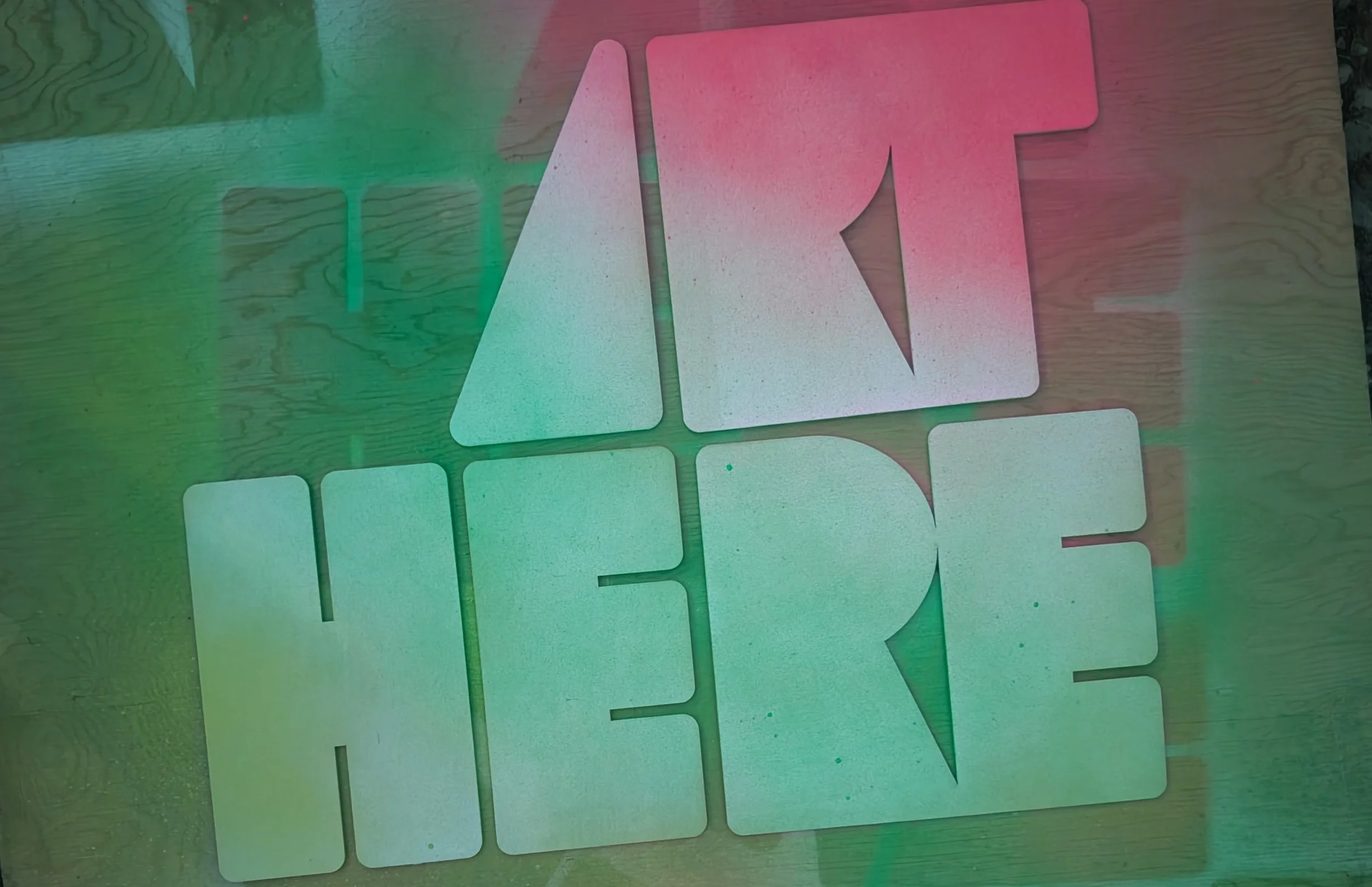
As founder of Art Experience Lab (AXLab), I launched Art Here, a community arts initiative that celebrates local artists and helps residents discover and connect with the artists around them. Drawing on my background in learning sciences and community-based research, I designed Art Here as both a civic intervention and a research project: conducting community surveys and peer-to-peer interviews, building a living online artist directory, and mapping the social network of artists and the organizations that support them.
The Portland pilot launched at Multnomah Days 2026 in partnership with the Multnomah Arts Center Association, featuring a custom-designed interview booth, a parade celebrating local artists, and a soft launch of the Portland local artist directory. The network graph visualizes how artists connect to galleries, community organizations, and local businesses, giving funders and civic leaders a new way to understand and strengthen their local creative ecosystem.
Themes: local creative economies, place-based community building, arts advocacy and civic infrastructure
Methods: community-based research, tactical urbanism, social network analysis, product design, UX design, video storytelling
Storytelling: @arthereproject, artishere.org, community video interviews, Art Here network graph
Tools: Web development: Claude Code, Vercel, Neon, Prisma, GitHub; Design & fabrication: Figma, Adobe Illustrator, xTool laser cutter; Video & motion: Adobe Premiere Pro, Adobe After Effects
Generative Furniture Design
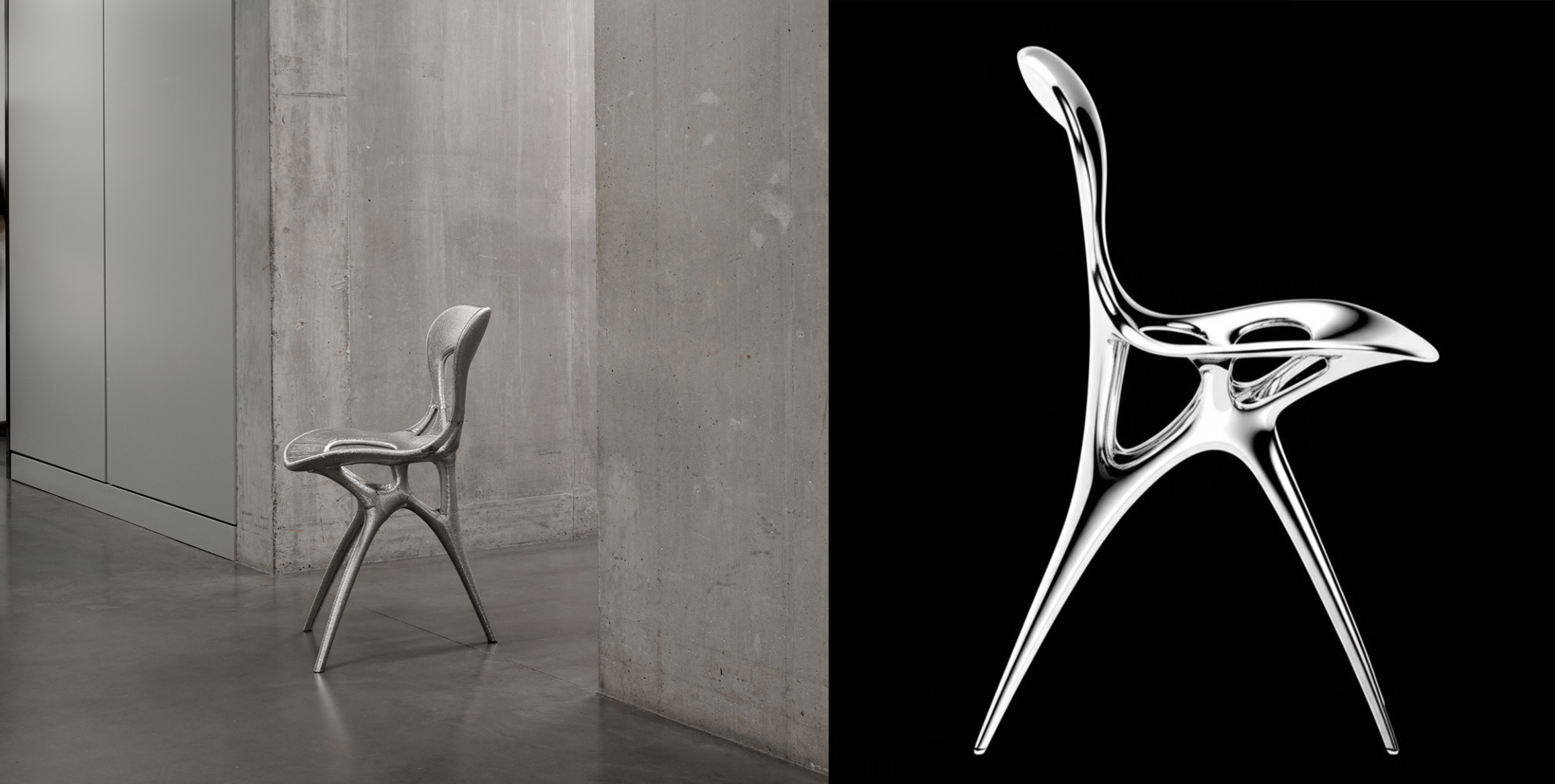
As part of the Google DeepMind team, I conducted research on the collaboration between DeepMind (creative producers, product managers, engineers) and the Ross Lovegrove design studio. Through participatory observation and interviews, I documented how the collaboration employed existing image models and LoRAs (custom models trained on Lovegrove’s sketches) throughout the design process. My analysis of the collaboration—including questions, challenges, and hopes from the Lovegrove team—highlighted opportunities for design and strategy for DeepMind's image generation products. I also supported external storytelling, including script-writing and content design for the final project reel. The rich documentation from this research became a key reference for the team in understanding real-world creative workflows, and insights informed future design features and key image generation products at Google.
Themes: generative AI, image generation, the future of design
Methods: participatory observation, interviewing
Storytelling: creative strategy, content design [project reel]
Tools: Google Gemini, Adobe Photoshop, Google Workspace
AI Image & Video Generation

As a Staff UX Researcher at Google DeepMind, I conducted foundational research with digital image and video creators—from novice creators and hobbyists to semi-professionals—to understand how emerging generative AI technology could transform creative workflows. Through in-depth interviews and creative exercises, I explored pain points across the creative process, from initial concept development through final production, and investigated creators' hopes for how AI might enhance their work. I also conducted surveys and log data analyses to understand how people were using recently launched products. My research identified key opportunity areas around workflows, creative exploration, and maintaining artistic control. These insights directly informed product strategy and design features that shaped the launch of Veo in Gemini and the development of Nano Banana's image editing capabilities.
Themes: generative AI, image & video generation, the future of design
Methods: diary studies, interviewing, surveys, log data analyses
Storytelling: reports, data visualization, multi-media artifacts, video reels
Tools: Google Gemini, Adobe Premiere Pro, Google Workspace, dscout
The Emergence of Gemini
As a researcher at Google, I conducted early-stage research to understand how the product team should position and design the first iteration of Gemini (then, Bard), including exploring how people might use conversational AI in their daily lives, work, and creative endeavors. Through exploratory interviews, surveys, diary studies, and concept testing, I investigated potential use cases, user mental models of AI capabilities, and expectations around personalization and agent-like behaviors. My research also explored how custom bots could serve different user needs and contexts, identifying key considerations around trust, control, and discoverability. These insights informed product strategy for the team as they shaped Gemini's evolution toward more agentic capabilities and ultimately contributed to the development of Gemini Gems, the platform's customizable AI assistant feature.
Themes: conversational AI, generative AI, agentic capabilities, product strategy
Methods: exploratory interviews, surveys, diary studies
Storytelling: research synthesis reports, product strategy recommendations
Tools: Google Gemini, Adobe Premiere Pro, Google Workspace, dscout
Re-imagining the heart of san jose
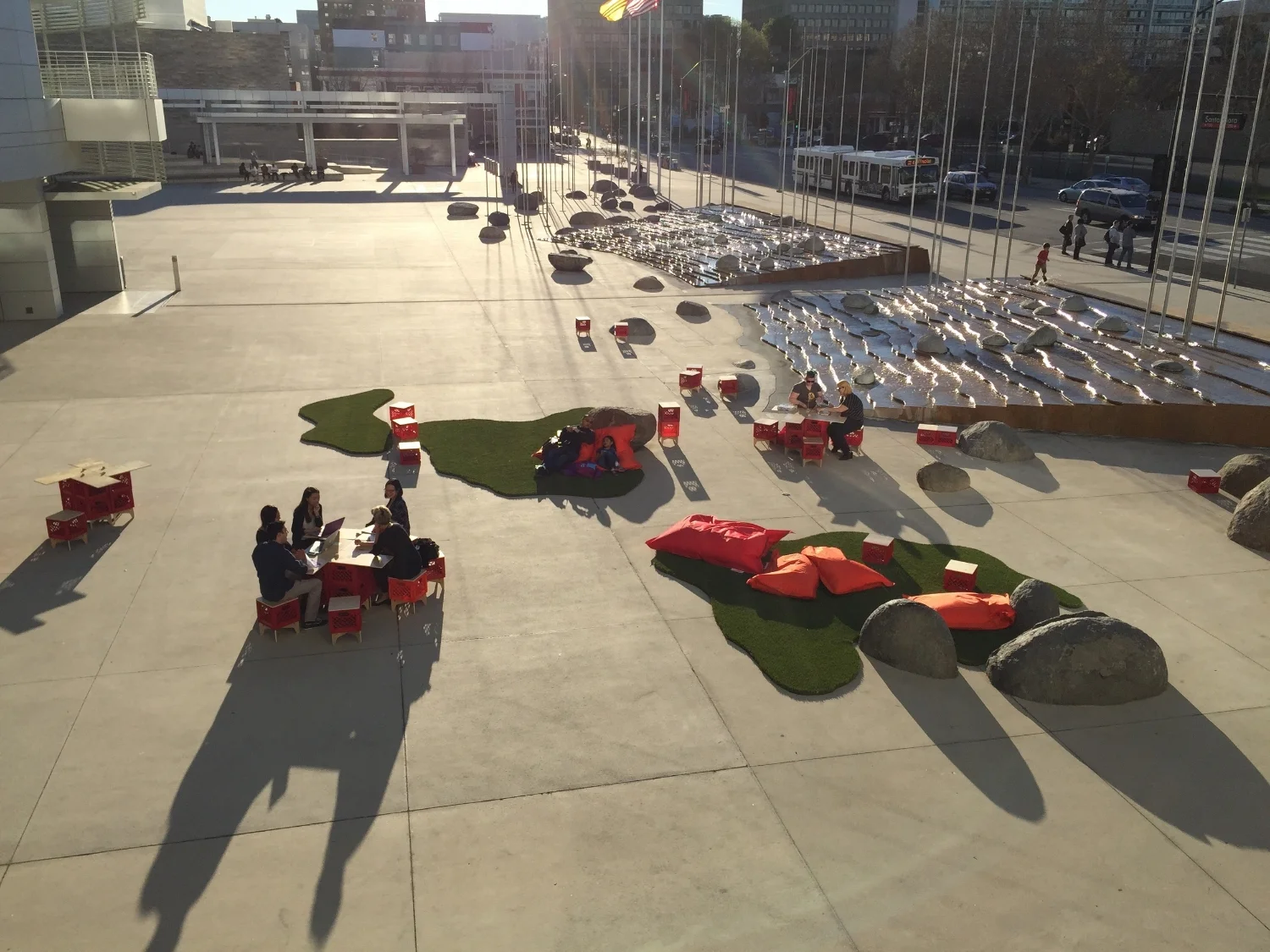

During my tenure as Director of Innovation at The Tech, I collaborated with Gehl Studio on a project funded by the Knight Foundation to prototype how the City of San Jose might bring civic life to its City Hall Plaza. We conducted qualitative and quantitative research in the community and designed a modular, milk-crate based furniture kit in order to test how people would like to use the plaza - picnic tables housed informal lunch gatherings, lounge chairs invited moments of relaxation next to the fountain, and stages hosted musicians and speakers. Our final report includes recommendations grounded in the results of our prototyping and from mixed methods research.
Themes: civic engagement, urban prototyping, community-building
Methods: creative strategy, grant writing, field observations, ethnographic interviews, survey design, prototyping, cultural probes
Storytelling: data visualization, Re-imagining the Heart of San Jose: Making City Hall Plaza a Place for People (Knight Foundation final report), public presentations at SPUR San Francisco and SPUR San Jose. [SPUR article on the project here.]
Tools: Adobe InDesign, Illustrator, Keynote, time lapse photography
DESIGN FOR MUSEUM PARTICIPATION


As Director of Innovation at The Tech Museum of Innovation, I conducted design research, tested prototypes, and provided creative direction for museum exhibits, space design, and civic innovation initiatives. These projects included research on the perceptions, beliefs, and knowledge of robotics, user testing for The Tech website redesign, and designing mobile furniture to support collaborative team work. For more on designing spaces for participation, our team wrote an article for The Exhibitionist with Scott Doorley and Scott Witthoft: "Designing Space for Participation: Insights from The Tech Museum of Innovation and the Stanford d.school."
Themes: robotics, technology in society, interaction design, experience design, space design
Methods: creative strategy, design research, prototyping, user testing
CREATIVE COMMUNITY-BUILDING


I conducted an ethnographic study of a short-term intentional community of 28 interdisciplinary adults who came together from across the world to design solutions for “the future of work.” The “innovation camp,” as the organizers called it, was a 7-week creative residency similar to a long-form hackathon. I researched participants’ roles and motivations, team project development, and the emergent collaborative practices of the community. Taken together, a multi-level analysis investigated the ways in which the physical and social setting may have supported or hindered creative collaboration.
Themes: intrinsic motivation, social cohesion, community-building, psychology of creativity, team dynamics, collaboration
Methods: field observations, ethnographic interviews, survey design, social network analysis
Storytelling: data visualization (social network analysis), article in Make Space: How to Set the Stage for Creative Collaboration, dissertation published August 2012, Building a Creative Community: Emergent practices and learning at a seven-week innovation camp
Tools: NVivo, Adobe Illustrator, Keynote, video.
DIGITAL YOUTH NETWORK


The Digital Youth Project research team at Stanford University, in collaboration with Nichole Pinkard’s and Kimberley Gomez's labs, investigated how middle school students on Chicago’s South Side acquired 21st century skills as they learned how to design and make – from graphic design to video production and spoken word – with the support of their communities in formal and informal learning environments. Our 3-year longitudinal study followed students who were part of the Digital Youth Network, an artist-mentor led digital and technological arts program with a critical pedagogy focus.
Themes: design education, technological fluency, learning ecologies, connected learning
Methods: field observations, ethnographic interviews, survey design, case study methodology
Storytelling: data visualization of qualitative data, conference presentations (MacArthur Digital Media & Learning and the American Educational Research Association), book published by MIT Press, The Digital Youth Network: Cultivating digital media citizenship in urban communities
Tools: HyperResearch, SPSS, Adobe Illustrator, Keynote, video.
DKT ETHIOPIA: WISE-UP CAMPAIGN


As part of the Wise-Up program (Wise-Up) at DKT Ethiopia, I conducted interviews and focus groups with sex workers to learn about their experiences related to health, income generation, and human rights. Weaving together elements of their stories, I wrote and designed three graphic novelas and developed a peer education curriculum. Final illustrations were a collaboration with a local artist.
Themes: health behavior change, peer learning, community-building, identity
Methods: field observations, ethnographic interviews, focus groups
Storytelling: personas, comic book design, curriculum development
Tools: Adobe Illustrator, digital photography, PowerPoint
*Please contact me for a full portfolio.